
01 · Beginning of the year2 weeks
Close structure
Clear prompts, tighter milestones, frequent feedback, and more guidance from the team.
How You'll Spend Your Time
LeapYear is a full-time commitment built around action. Most of your week is spent working through Design Sprints, meeting people, trying things, and learning from what happens.

Structure + agency
LeapYear sets the shared commitments: kickoff calls, coaching, cohort gatherings, spiritual formation, deadlines, playbacks, retreats, and travel. Those commitments form a container for the year.
Inside that structure, much of the week is choose-your-own-adventure—with responsibility attached. You choose real questions worth pursuing, then spend your time experimenting, talking to people, researching, shadowing, exploring, building, testing ideas, and reflecting on what happened.
The aim is deeper self-understanding, a coherent philosophy of life, spiritual practices, and a practical method for deciding what to do next.




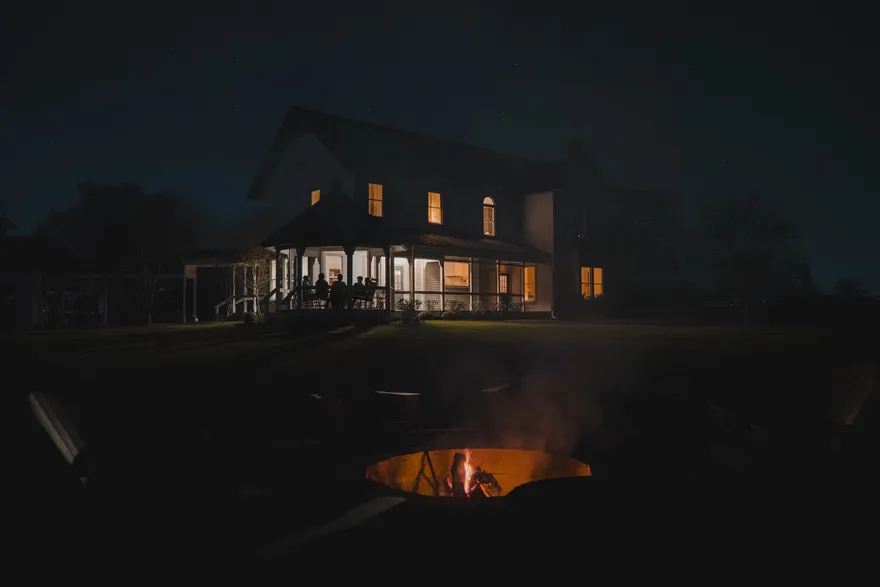



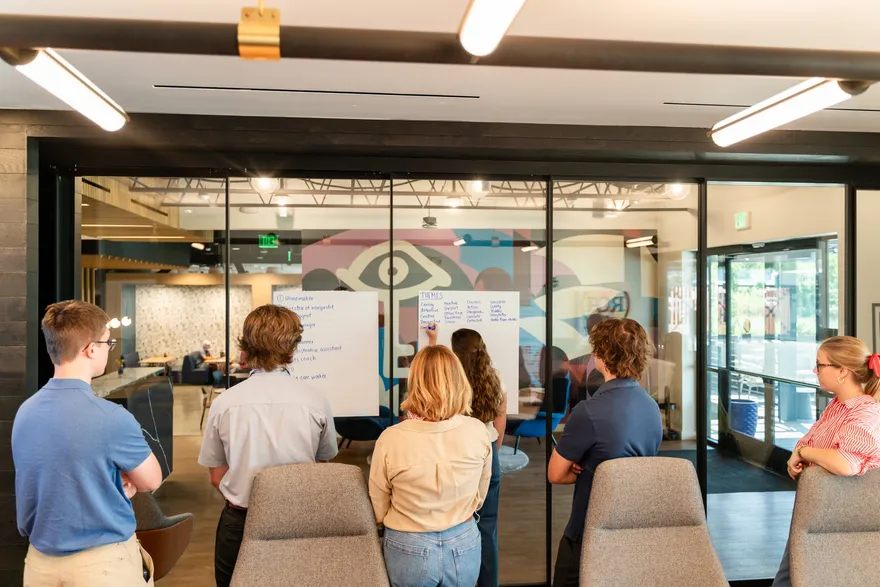
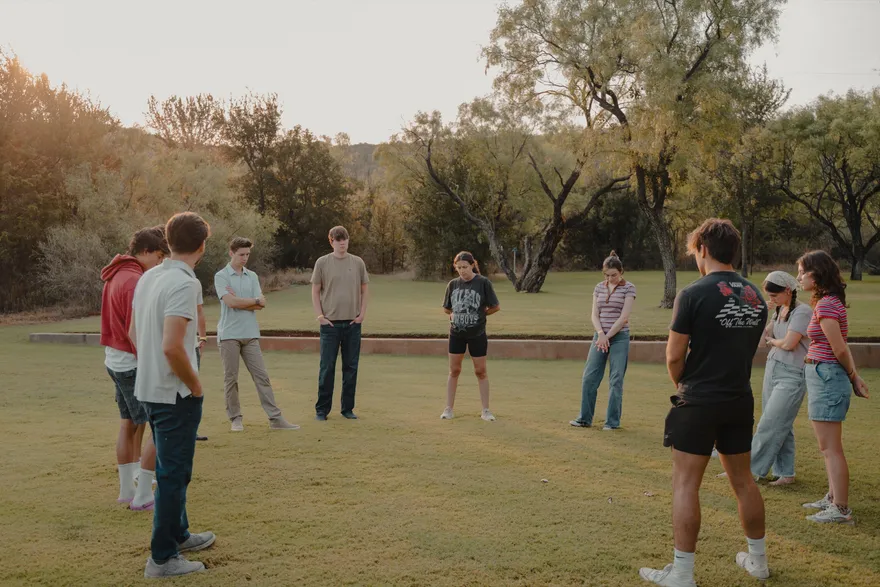


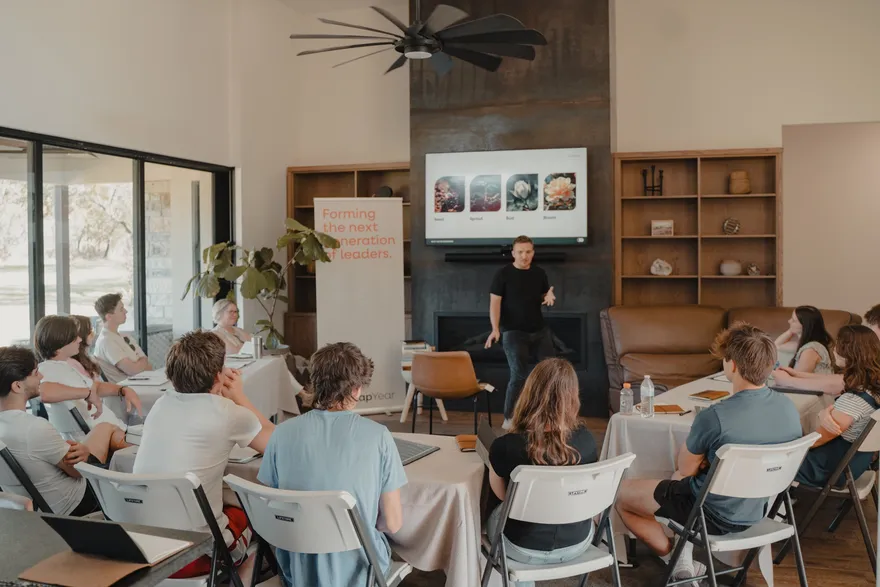


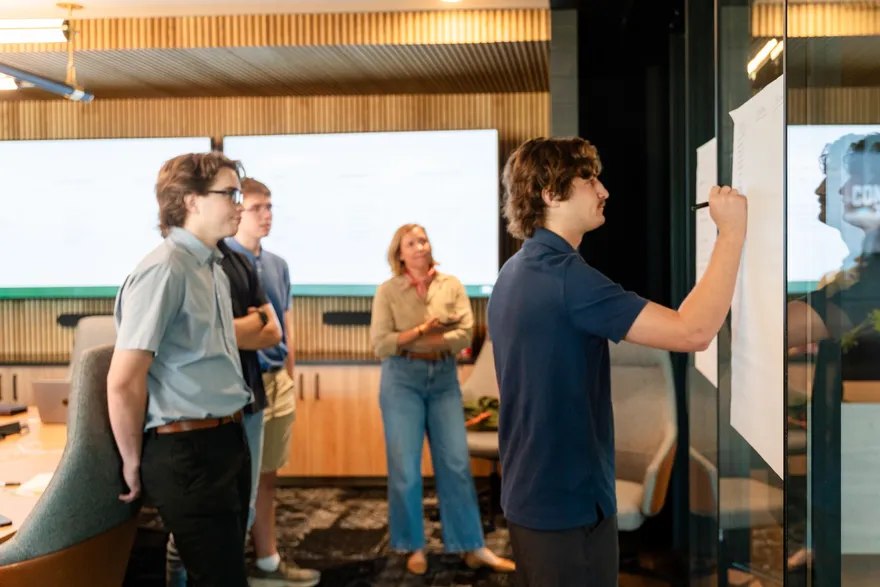




A typical week
Every weekday begins with a daily kickoff call. From there, the shape of the day depends on your Sprint, scheduled gatherings, and the people or places you need to reach.
Monday
Set the goal for the week, plan the work, take the first action, and meet one-to-one with a coach when scheduled.
Tuesday
Keep your Sprint moving, work alongside other students, join group coaching, or collaborate on a shared project.
Wednesday
Go where the question takes you: interviews, job shadows, research, building, writing, testing, or work inside a real organization.
Thursday
Gather for spiritual formation and discussion, then continue your Sprint with a clearer view of what the work is showing you.
Friday
Share what happened, get feedback, and decide what comes next. On scheduled weeks, Friday becomes a full-day intensive.
Flexible throughout the week
Challenges, reading, reflection, and other curriculum content can stretch across several days. You are responsible for placing that work on your calendar and finishing it.
An example month
This example shows one plausible month. Exact dates and combinations change throughout the year.
The daily kickoff still happens each weekday morning.
Week 1
Sprint 01 · Kickoff and first testsRuns through the weekChallenge across the week · Best Self Portrait conversations
Mon
Tue
Wed
Thu
Fri
 Design Thinking Intensive · full day
 Week 2
Sprint 01 · Build, test, and make sense of itRuns through the weekReading across the week · Managing Oneself + reflection
Mon
Tue
 Exemplar Dinner · evening
 Wed
Thu
Fri
Week 3
Sprint 02 · New question, new evidenceRuns through the weekChallenge across the week · Career conversations
Mon
Tue
Wed
Thu
Fri
 Storytelling Intensive · full day
 Week 4
Sprint 02 · Build, test, and make sense of itRuns through the weekReading + reflection across the week · Capture evidence for playback
Mon
Tue
Wed
Thu
 Site visit · First Light Books
 Fri
What is a Design Sprint?
A Design Sprint is the Career Design Flywheel put into action. You choose a real question, get close to the people involved, try something, collect evidence, and reflect on what to do next.
Name your values, strengths, story, and the questions that matter to you.
Notice what holds your attention and where you want firsthand evidence.
Turn a broad interest into one question you can investigate now.
Learn from people who are close to the work, problem, or community.
Shadow, build, test, serve, sell, write, or make something others can respond to.
Name what the evidence changed and choose the next useful move.
Reflect, then run the Flywheel again with better questions and better evidence.
How the year evolves
The Career Design Flywheel carries through every Sprint. As your judgment grows, LeapYear shifts from setting the structure to guiding the direction you choose.
Clear prompts, tighter milestones, frequent feedback, and more guidance from the team.
A longer question with more room to build relationships, test, revise, and follow the evidence.
Sustained work with program-defined milestones and a student-set week-to-week rhythm.
A Sprint can also live inside a larger experience—building your startup, working in an internship, or contributing inside an existing organization.
Three concrete examples
The topic can vary widely. The discipline stays consistent: ask a focused question, get close, try something, and reflect on evidence.
Career exploration
Interview people doing the work, shadow someone, complete a small real project, and present what you learned—including what surprised you and what you would test next.
Founder or business
Interview customers and test one change to an offer, product, sales process, operating system, or hiring plan. The business becomes your Career Design laboratory.
Already running a business? Your business can hold your Career Design work. You still use the Flywheel, run disciplined experiments, and share what the evidence says.
Community problem
Investigate a local problem, talk with the people affected, test a small response, and use the results to decide whether the work should continue, change, or stop.
The year at a glance
The year moves through three curriculum arcs. LeapYear carries more of the structure at the beginning; students carry more of it by Capstone.
August–December
Learn the method with close support.
January–March
Choose more of the direction yourself.
April–May
Sustain one serious body of work.
The sequence above shows the shape of the year. Exact dates for dinners, site visits, intensives, the international trip, and Showcase are shared when they are confirmed.
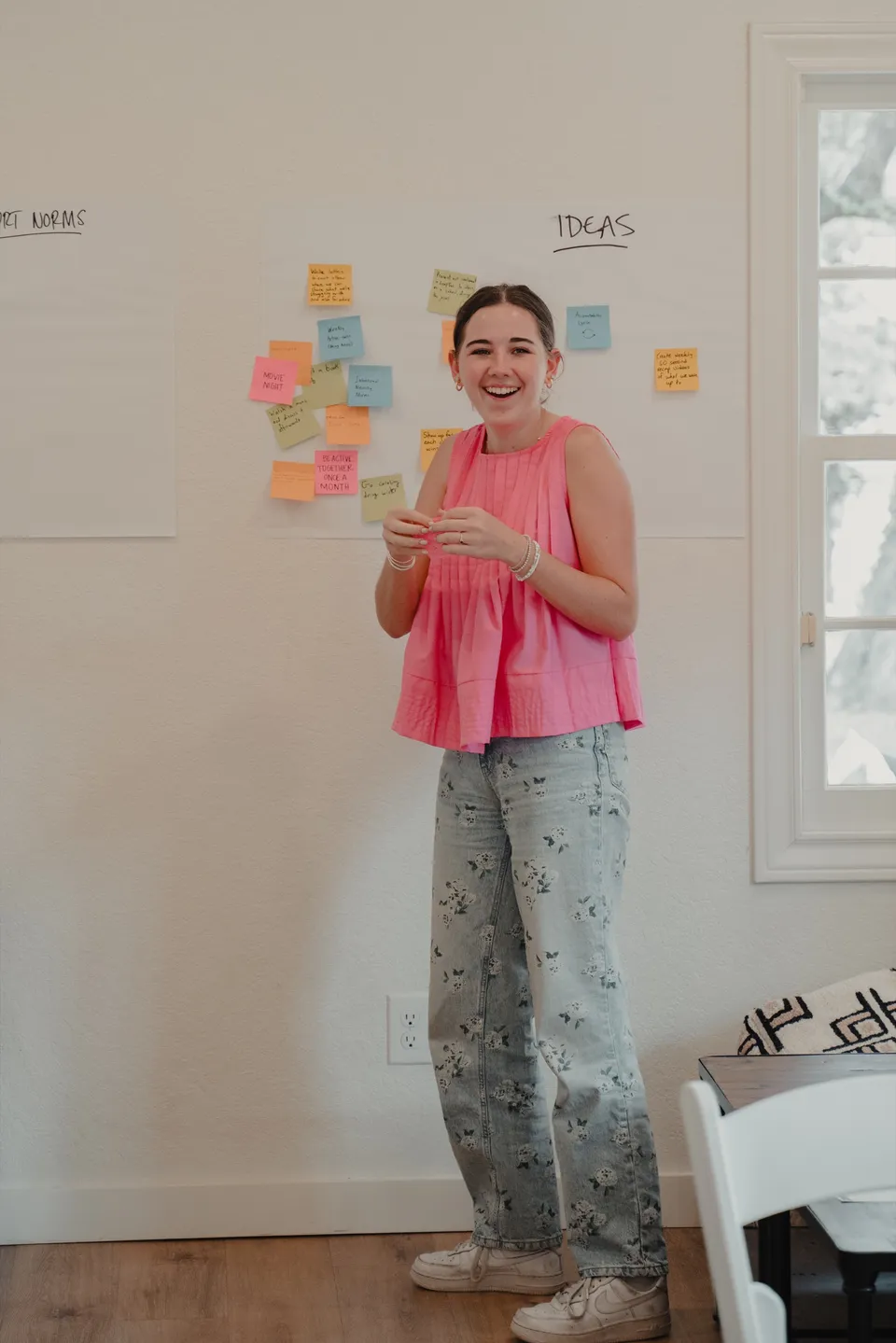
What “full-time” means
LeapYear asks for your full participation. This is your year, and you are fully enrolled: show up for the shared commitments, communicate early, and take responsibility for the work.
Much of the program is designed around you learning to design your time, pursue your curiosity, and make thoughtful bets. Coaching, formation, intensives, travel, and deadlines give the year its structure. What you pursue inside it can be highly personal.
A student flew away for several days in a monastery while considering a call to the priesthood.
A student spent most of his Capstone in Berkeley working on AI alignment.
A student built her business and ran Sprints in support of her business learning goals.
We want to support your goals, and we encourage big bets and thinking outside the box. If you are considering LeapYear but wondering whether it is compatible with your goals, let’s talk. Nine times out of ten, we can find a way to support your vision and help you get the most out of LeapYear.
Your year
If you’re ready, start the application. If you’re working through an unusual plan—work, travel, a business, or a specific question—book a call and bring us the real vision. We’ll help you see how LeapYear could support it.